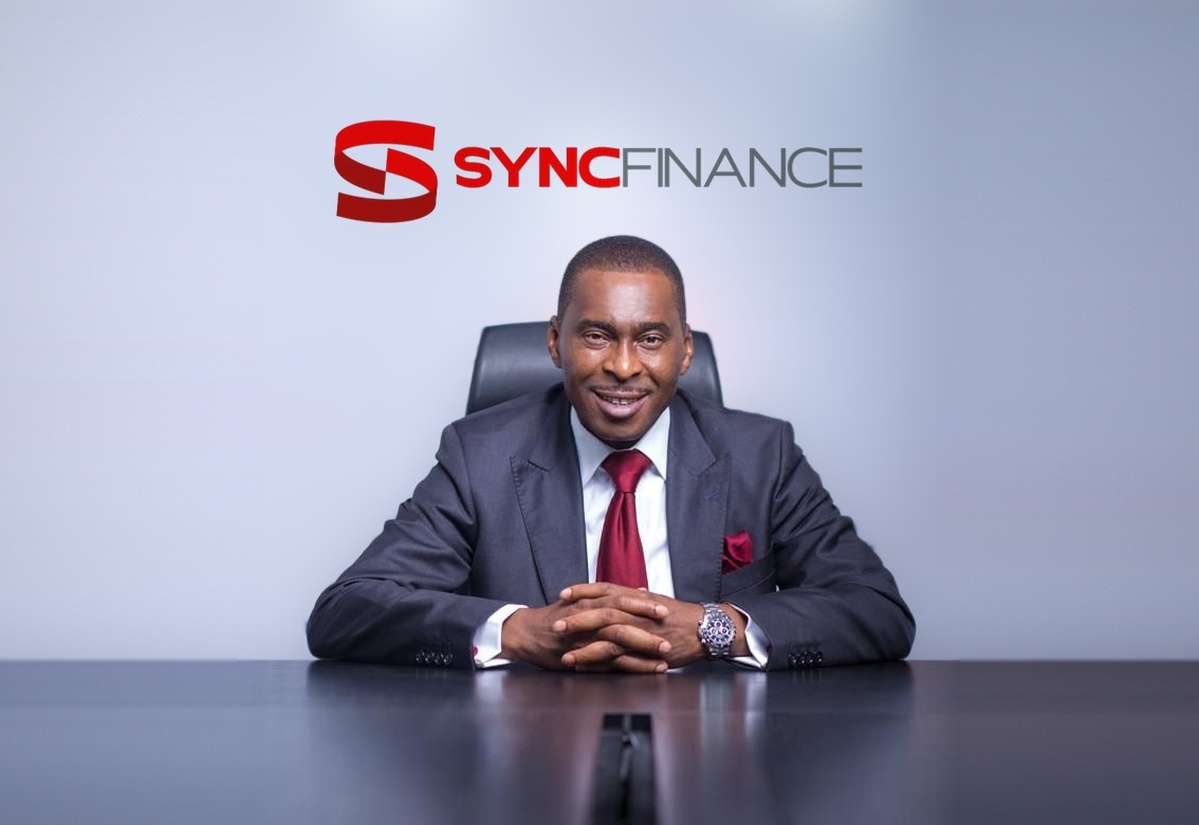
Sync Finance Company Limited Announces Appointment of Paul Onwuanibe as Board Chairman
BREAKING NEWS Sync Finance Company Limited Announces Appointment of Paul Onwuanibe as Board Chairman Sync Finance Company Limited is pleased to announce the appointment of Mr. Paul Onwuanibe as Chairman of its Board of Directors, following the receipt of a No-Objection from the Central Bank of Nigeria (CBN). The appointment, approved by the Board of Directors, took effect on October 1, 2026. Mr. Onwuanibe is an accomplished entrepreneur and business leader with extensive experience in strategic leadership, investment, real estate, hospitality, and enterprise development. He is the Founder and Chief Executive of Landmark Africa Group, known for its development of Landmark Centre and Landmark Beach Resort in Victoria Island, Lagos. His wealth of experience in building and scaling businesses in Nigeria and internationally will contribute to strengthening the Company’s corporate governance, strategic direction, and long-term growth objectives. Mr. Onwuanibe holds an MSc in Architecture, Environmental Design and Planning, as well as an MSc in Construction Management. Commenting on his appointment, Mr. Onwuanibe said: “I am honoured to take on the role of Chairman at Sync Finance Company Limited. The Company has built a strong foundation, and I look forward to working with the Board, Management and Staff to strengthen its governance, deepen its services to customers, and drive sustainable growth in line with stipulated regulatory standards.” The Managing Director and Chief Executive Officer of Sync Finance Company Limited, Mr. Ikenna Imo, welcomed the appointment, stating: “We are delighted to welcome Mr. Onwuanibe as our Chairman. His track record of building enduring institutions and his deep understanding of the Nigerian business landscape will be invaluable as we pursue the next phase of our growth and continue to deliver innovative financial solutions to our customers.” The appointment marks an important step in the Company’s continued commitment to sound corporate governance, responsible leadership, and the delivery of innovative financial solutions that meet the evolving needs of its customers. Sync Finance Company Limited congratulates Mr. Paul Onwuanibe on his appointment and looks forward to the strategic leadership and experience he brings to the Board.
Read More
CBN Reduces Monetary Policy Rate by 350 Basis Points to 23%
CBN Reduces Monetary Policy Rate by 350 Basis Points to 23% Edit widget and choose a menu The Central Bank of Nigeria (CBN) has reduced its Monetary Policy Rate (MPR) by 350 basis points, from 26.5% to 23%, following the 307th meeting of the Monetary Policy Committee (MPC) held in Abuja. Announced by CBN Governor Olayemi Cardoso, the adjustment represents the second rate reduction in 2026 and the largest single cut since December 2006. The decision comes amid easing inflationary pressures and improving economic indicators. Nigeria’s inflation rate declined to 15.39% in August 2026, while real GDP grew by 4.43% in the second quarter. The Purchasing Managers’ Index (PMI) also stood at 52.7, indicating continued expansion in business activity. Alongside the MPR reduction, the MPC retained the Cash Reserve Ratio (CRR) at 45% for commercial banks and 16% for merchant banks, while maintaining the 75% CRR on non-Treasury Single Account (TSA) public-sector deposits. The committee also adjusted the interest rate corridor around the MPR to +50 and -300 basis points. The CBN described the adjustment as an operational recalibration intended to improve monetary policy transmission and support its transition towards an inflation-targeting framework. The move also reflects efforts to align the policy rate more closely with prevailing money-market conditions. For financial institutions, the rate reduction could influence lending rates, deposit pricing, investment yields, liquidity conditions and overall profitability. However, the extent to which borrowing costs decline will depend on how quickly banks adjust their rates and how market conditions respond.
Read More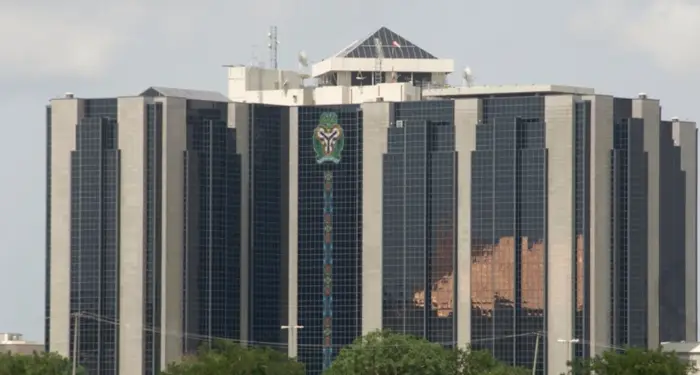
CBN Draft HoldCo Regulations: Major Overhaul Set to Reshape Nigeria’s Banking Structure and Governance
CBN Draft HoldCo Regulations: Major Overhaul Set to Reshape Nigeria’s Banking Structure and Governance New Framework Targets Stronger Capital, Improved Governance, and Greater Financial Stability The Central Bank of Nigeria (CBN) has unveiled proposed revisions to the regulatory framework governing Financial Holding Companies (HoldCos), marking a significant shift in the supervision and governance of banking groups in Nigeria. The proposed guidelines are designed to strengthen financial stability, enhance corporate governance practices, and minimize systemic risks associated with complex financial ownership structures. The reforms reflect the CBN’s continued commitment to aligning Nigeria’s banking sector with global regulatory standards while protecting depositors and maintaining confidence in the financial system. Key Proposed Changes Under the New HoldCo Framework One of the major highlights of the proposed regulation is the introduction of stricter capital adequacy requirements for HoldCos. Under the new framework, HoldCos will be required to maintain a capital buffer that exceeds the combined minimum capital requirements of all their subsidiaries by at least 20%. This measure is intended to ensure that parent companies have adequate financial capacity to absorb shocks arising from subsidiaries, including commercial banks, asset management companies, and insurance businesses. The CBN is also proposing stronger ownership requirements to improve accountability within banking groups. Under the proposed rules, HoldCos must maintain at least a 51% controlling stake in their subsidiaries. The move is expected to create clearer ownership structures, strengthen regulatory oversight, and eliminate uncertainty around control and decision-making authority within financial groups. A key component of the proposed reforms is the introduction of stronger operational separation, commonly referred to as “ring-fencing.” Banks within HoldCo structures will be required to maintain clearer boundaries from other subsidiaries. This includes restrictions on the sharing of sensitive customer information, technology infrastructure, and operational systems. The objective is to reduce contagion risks and prevent challenges affecting one entity within a group from spreading to deposit-taking institutions. The proposed regulations also introduce tighter governance requirements aimed at improving independence and accountability. Board members of HoldCos may face restrictions on simultaneously serving on subsidiary boards. This measure is designed to minimize conflicts of interest, strengthen independent oversight, and ensure that each entity operates with proper fiduciary responsibility. The CBN believes stronger governance structures will improve risk management and reinforce internal control systems across financial groups. The draft framework seeks to limit the direct operational involvement of HoldCos in their banking subsidiaries. Parent companies will no longer participate in day-to-day banking activities such as credit approval processes and loan administration. Instead, these responsibilities will remain solely within licensed banking institutions. This approach is aimed at preserving the independence of banks and ensuring that lending decisions remain guided by established regulatory standards and risk management practices. The proposed reforms will also introduce enhanced reporting obligations for financial groups. HoldCos will be expected to provide more detailed disclosures relating to: Improved transparency will enable regulators to identify potential vulnerabilities earlier and take appropriate action where necessary. Impact on Nigeria’s Financial Sector The proposed HoldCo regulations represent a move toward a more conservative and closely supervised banking environment. If implemented, the reforms could significantly influence the structure and operations of banking groups, affecting strategic planning, mergers and acquisitions, capital allocation, and long-term business decisions within the financial services industry. Industry stakeholders are expected to review the draft guidelines and provide feedback before final implementation. Conclusion The CBN’s proposed HoldCo regulations signal a new era of stronger supervision, improved governance, and enhanced financial resilience within Nigeria’s banking sector. By tightening capital requirements, strengthening ownership controls, separating operational responsibilities, and improving transparency, the reforms aim to create a more stable financial system capable of withstanding future risks while safeguarding the interests of depositors and stakeholders.
Read More