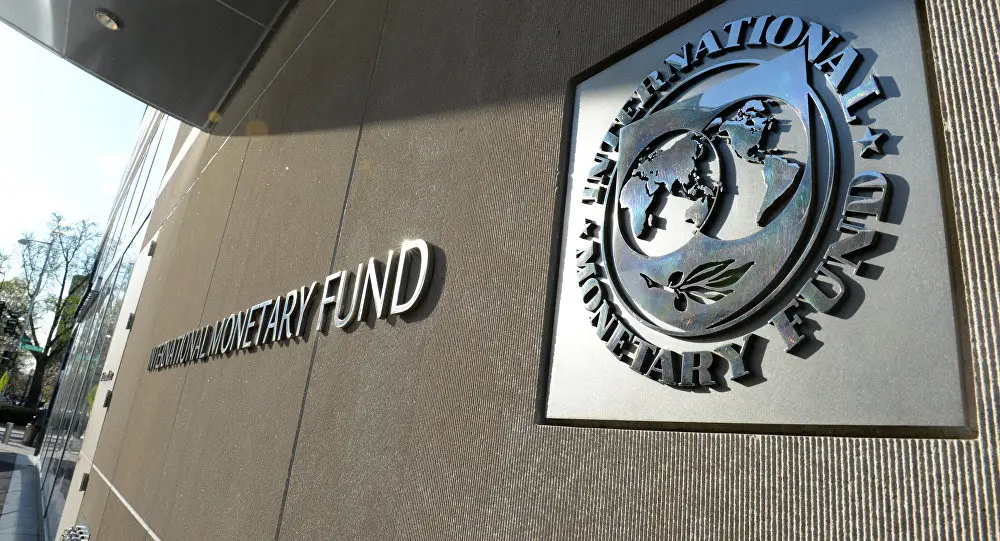
IMF World Economic Outlook October 2024
According to the International Monetary Fund (IMF) in its October 2024 World Economic Outlook, Nigeria’s inflation remains in double digits and exceeds targets in nearly half of the region. Although regional GDP-weighted headline inflation is expected to decline from 18.1% in 2024 to 12.3% in 2025 and will remain higher in oil-exporting countries like Nigeria. Projected fiscal consolidation is expected to improve the external sector, with the median current account deficit decreasing from 4.3% in 2024 to 3.7% in 2025. However, oil exporters like Nigeria might see their current account surpluses narrow from 1.5% to approximately zero percent. Recent macroeconomic adjustments, such as reductions in fuel subsidies and increased exchange rate flexibility, have intensified short-term hardships. The IMF projects that Nigeria’s real GDP growth will increase from 2.92% in 2024 to 3.3% in 2025, while consumer price inflation is expected to decline from 32.5% to 25.0%. External debt is projected to increase from 22.7% of GDP in 2024 to 25.0% in 2025, and reserves are expected to increase to 7.2% of imports, up from 6.8%. The government needs to put policies in place to curb inflation to ensure the decline projected is attained. Additionally, domestic resource mobilisation should be a priority to reduce the need for borrowing and increase fiscal expenditure.
Read More
Currency in Circulation Surged by 4.01% on Monthly Basis in September 2024
According to data from the Central Bank of Nigeria (CBN) on money and credit,money in circulation increased by 56.13% year-on-year, reaching N4.31 trillion in September 2024, up from N2.76 trillion in September 2023. This surge reflects a 4.04% rise in cash circulating in the economy, rising from N4.14 trillion in August 2024. This trend highlights Nigeria’s heavy reliance on cash transactions,with cash held outside banks growing faster than money issued for circulation. Also, Nigeria’s money supply (M3) increased substantially to N66.95 trillion in September 2024, up 62.8% from N41.94 trillion in the previous year and showing a 1.6% rise from N65.19 trillion in August 2024. However, the increase in currency circulation and overall money supply suggests pressures that may exceed Nigeria’s productive capacity, contributing to Increase in inflation. Approximately 93.1% of Nigeria’s currency in circulation was being held outside banks in September 2024, compared to 87.5% the previous year. The shift may be attributed to factors such as low trust in banking services, inflationary pressures, and the cash-dependent nature of Nigeria’s informal economy. The rising currency circulation and expanding money supply present complex challenges for the economy, highlighting the need for targeted policy interventions. The Cashless Policy by the CBN aims to reduce reliance on cash transactions, potentially easing inflation by controlling currency circulation and money supply. Therefore, addressing challenges like network glitches and insufficient ATMs to ensure that effective electronic payment systems are available to implement this policy for conciseness and clarity.
Read More